What Happens Between Templating and Installation
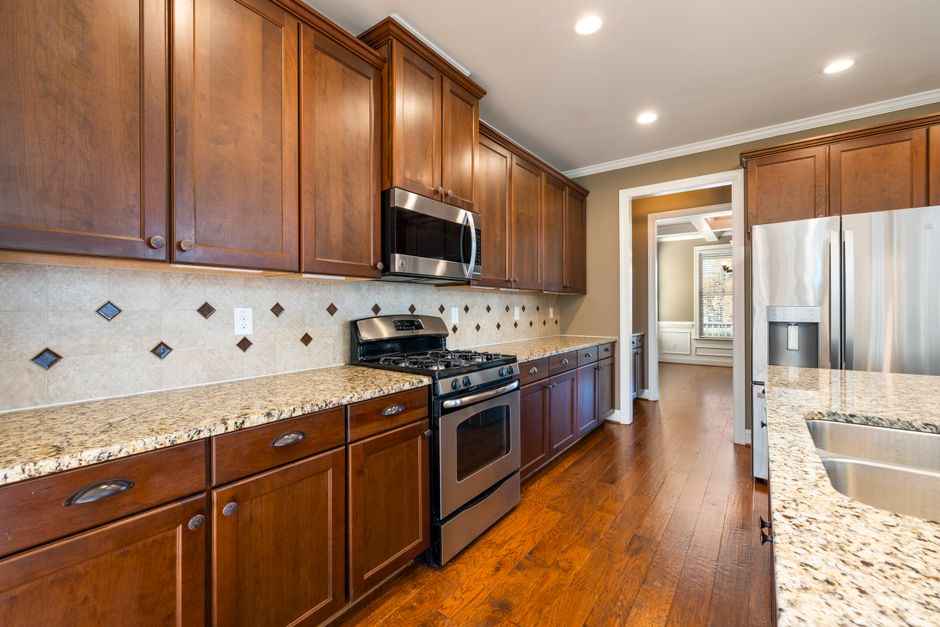
A cut slab of quartz costs the same whether it ends up as a clean kitchen top or as scrap, so the work in Birmingham, AL is front loaded into measuring and layout, and the countertops get decided long before the saw runs, as the notes at countertops birmingham fraiche yogurt describe.
Templating the room
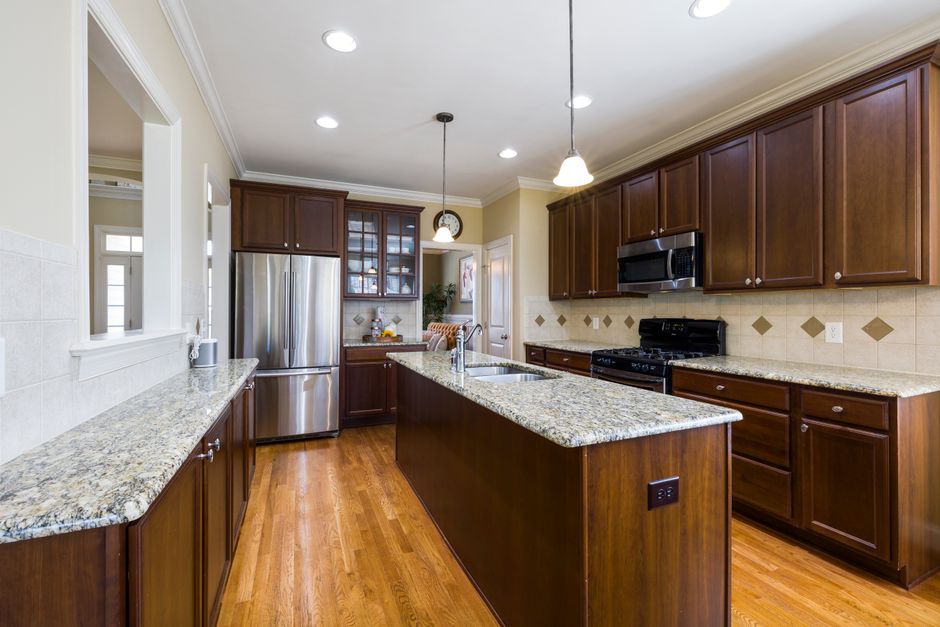
Templating comes first. A template is made from physical strips of material or from a digital laser measure, and it records every wall angle, the cabinet run, the appliance gaps and the overhang. Houses near Vulcan Park and across Jefferson County have old walls that are rarely square, so the template follows the wall, not the drawing. That shape is then transferred to the chosen slab.
Layout and seam placement
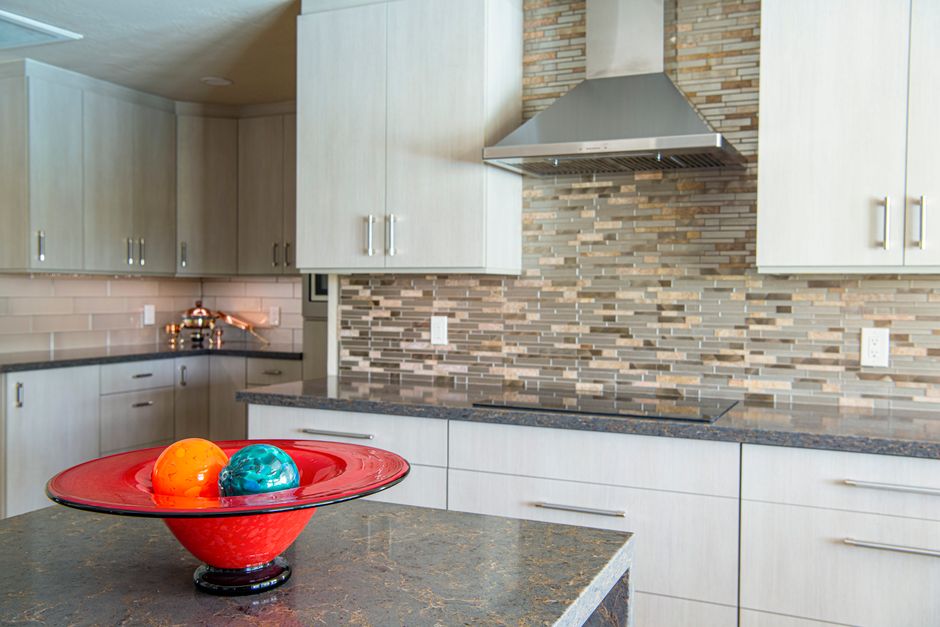
Layout decides where each seam falls and how the veining runs from one piece to the next. Good seam placement keeps joints away from the sink and the cooktop, and puts them where the pattern lines up. A slab of marble or quartzite with strong movement needs the pieces cut in sequence from the same slab. No countertop can run seamless at any length, because slabs only come so long.
Cutting and dust control
Stone is cut with water cooled saws or waterjets. The water controls heat and keeps dust out of the air. Cutting engineered quartz and many natural stones releases crystalline silica dust, and that dust is not harmless, so wet cutting and dust control are part of the job, not an extra. Granite, porcelain and solid surface each cut differently, but all of them get the same attention to water and extraction.
Sinks, faucets and edges
Sink cutouts are often reinforced, since the narrow strips in front of and behind a sink are the weak points of the top. Faucet holes are drilled with diamond core bits, and only after the sink position is confirmed. The edge profile is next. An eased edge, a bullnose or a waterfall edge is shaped and then polished through a sequence of progressively finer abrasives. No edge is finished in a single pass.
Installation day
On site, the pieces are dry fit and checked for level on the cabinets. Seams are joined with a color matched adhesive, often epoxy or polyester, and pulled tight with seam setting tools until the joint sits flush under a fingernail. Compared with butcher block, laminate or soapstone, stone is far heavier, so the crew sets it with enough hands and clamps to avoid cracking it at the sink. A leftover remnant from the same slab can be kept for a backsplash, a bar top or a repair. Spots around Railroad Park and Sloss Furnaces, with their older buildings, often need an extra shim or scribe at the wall.