How Can I Tell If a Countertop Was Installed Well

Three or four minutes with a four foot level and a flashlight will say more about a finished countertop than an hour of looking at the sample, and the checks below are the ones used on kitchens in Birmingham, AL, and written up in the notes at countertops birmingham fraiche yogurt. Most of them need no tools beyond a hand, an eye and a few questions put to the installer before the last bead of silicone goes down.
Seams
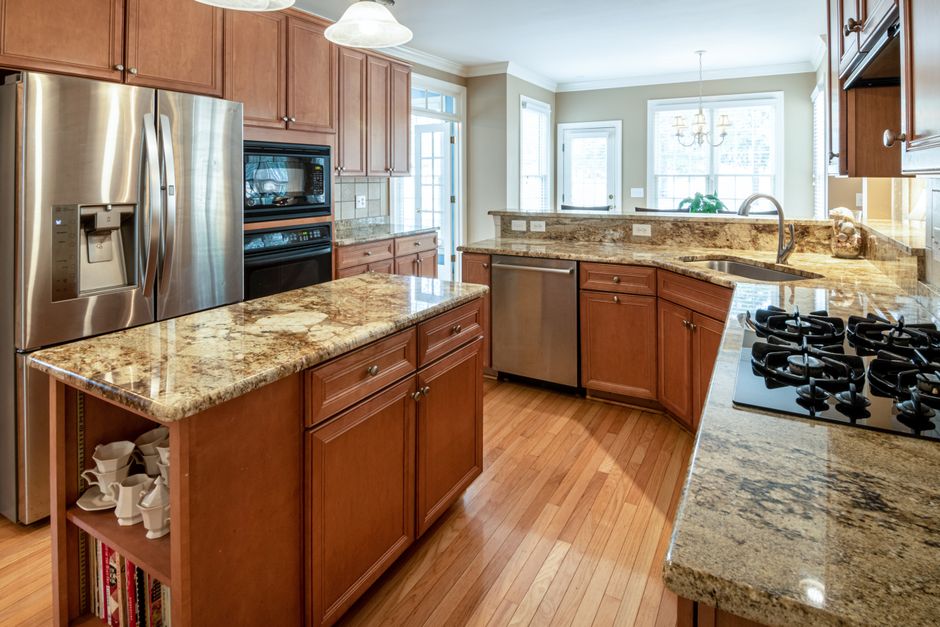
A well made seam is tight, flat to the touch, and filled with adhesive close to the stone color. Run a fingernail across it. A seam will still show as a line, so do not expect it to vanish. Look at seam placement too. On granite or quartzite, veining should flow sensibly across the joint when the slab layout allowed it. On quartz, check that the pattern lines up as far as the material permits.
Level and flatness
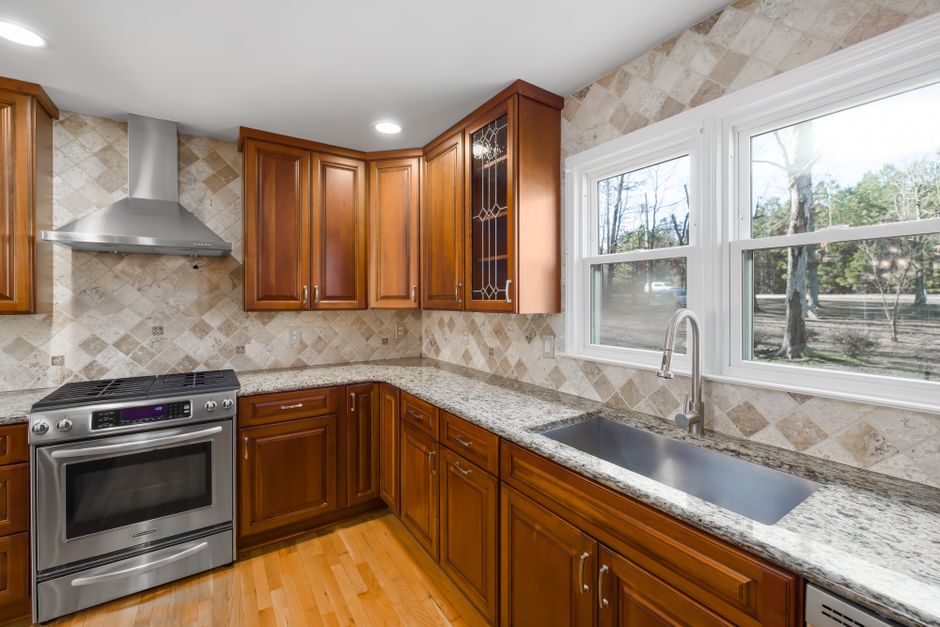
Lay a level across the surface in several directions: front to back, side to side, and diagonally across any corner. The top should read flat and level. Level matters on stone, because water, pans and seams all respond to a surface that is out of plane. A rocking or humped section usually points back to shims or cabinets that were never leveled.
Overhang and edges
Measure the overhang at both ends and the middle. It should be consistent along the front edge. Where it extends far, such as at an island seating area, it needs proper support underneath, not just adhesive. Then run a palm along the edge profile, whether eased edge or bullnose. Polished edges should feel smooth, with no chips, saw marks or dull patches.
Sink and sealant
Look under an undermount sink. The cutout edges should be evenly finished and the sink securely attached from below, with clips or brackets that are actually tight. Silicone at the backsplash and around the sink should be neat and continuous, and not smeared onto the stone. A thick bead of caulk does not fix a gap. It only covers one that should have been closed by a better fit after templating.
Questions for the installer
Ask how the cabinets were leveled and how the seams were set. A careful installer will describe shimming, checking the boxes with a level before templating, and how the pieces were pulled together and held while the adhesive cured. A vague answer suggests support was not given much attention. Ask the same of any material, from marble and soapstone to a porcelain top, since the stone changes but the support underneath does not.