Undermount or Drop In Sink for a New Countertop in Birmingham
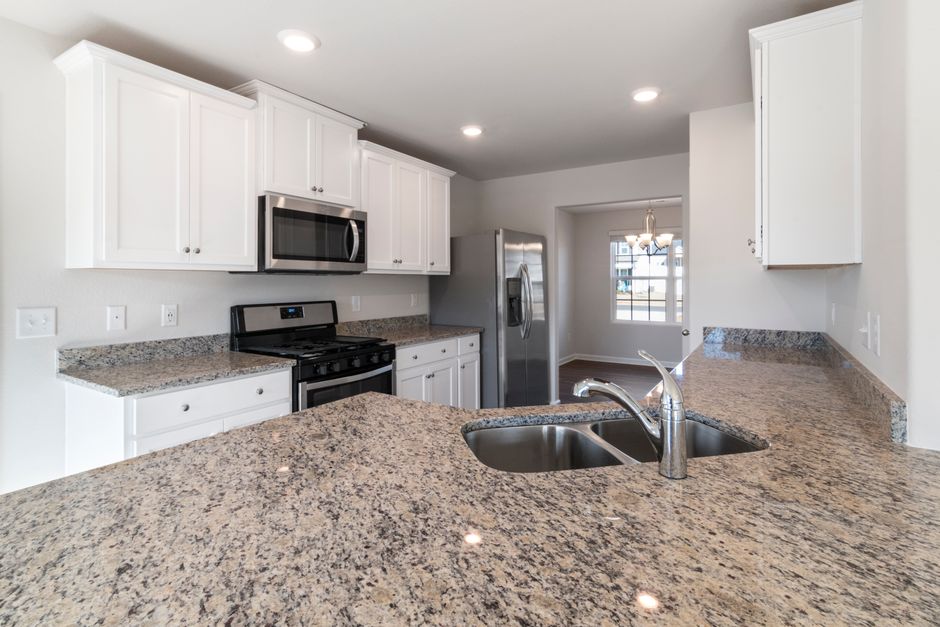
An undermount sink is the better choice when your new countertop is granite, quartzite, engineered stone or solid surface, and a drop in sink is the better choice when the top is laminate or butcher block. Material decides most of this question. Cleaning habits, cutout strength and long term upkeep decide the rest.
Start With What the Countertop Is Made Of
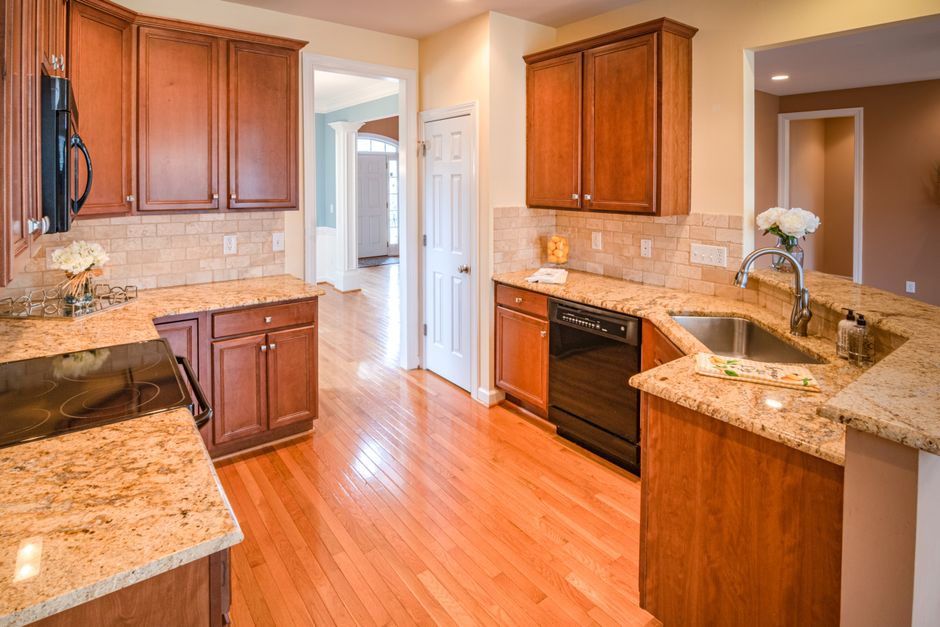
An undermount sink hangs below the counter, so the cutout edge stays exposed to water every day. That edge has to be solid, water resistant and finished. Granite, quartzite, engineered stone and solid surface can handle it. Standard laminate over a particleboard core cannot.
A drop in sink (also called top mount or self rimming) rests its rim on top of the counter. It works with laminate, butcher block, tile, stone and solid surface. When the counter cannot take an exposed cutout edge, drop in is the default.
If you are buying a stone top, you have a real choice. If you are buying laminate, the choice is already made.
Which Style Is Easier to Clean
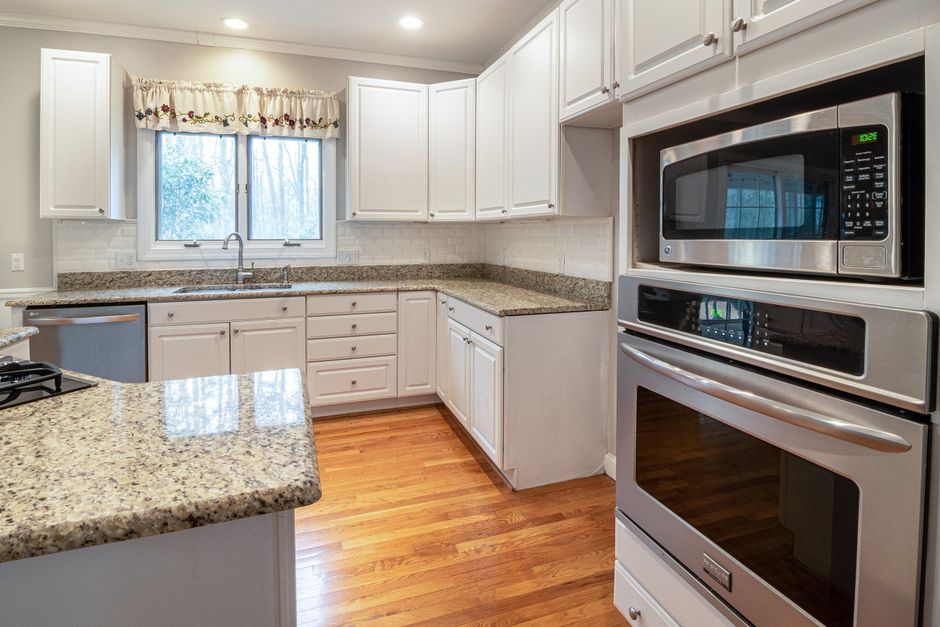
Undermount wins for daily wiping. You can sweep crumbs and water straight off the counter into the bowl, with nothing in the way. A drop in rim creates a raised lip, and water and debris collect against it instead of falling in.
Each style still has its own dirt trap:
- Drop in: grime builds up along the caulk line where the rim meets the counter.
- Undermount: debris collects in the seam under the counter edge, where the sink lip meets the underside of the stone.
For an undermount, check that seam once a month with a flashlight and run a cloth or old toothbrush along it. For a drop in, wipe the caulk line during regular cleaning and watch for dark spots.
Pick the Reveal Before Templating
The reveal is how far the counter edge sits from the sink edge. It changes both the look and the cleaning.
- Positive reveal: the counter edge sits back and a strip of the sink rim shows. This is the easiest to clean.
- Negative reveal: the counter overhangs the bowl. It hides the rim but leaves a hidden ledge underneath where grime builds up.
- Zero (flush) reveal: the two edges line up. It looks the cleanest but demands precise fabrication.
Decide this before the fabricator templates the job, not after.
Cutout Strength: Where Stone Cracks
Stone is weakest around the sink. The narrow strips in front of and behind the bowl are thin, long spans that can crack during transport, during installation, or if someone stands or leans on them.
Two things reduce that risk:
- Reinforcement. Ask whether your fabricator reinforces those strips. A common method is rods set in epoxy.
- Radiused corners. Stress collects at sharp inside corners, so cracks often start there. Rounded cutout corners lower the risk, and they also match the rounded corners on most undermount bowls.
Do not try to enlarge or modify a stone cutout yourself. Cutting or grinding engineered stone releases respirable silica dust (silicon dioxide), which can cause silicosis. Cutouts belong in a shop with water suppression.
Edge Finishing: Polished or Hidden
An undermount cutout edge is fully finished. It is polished and given a profile, usually a small eased or rounded edge, so it looks clean and resists chipping when pots knock against it.
A drop in cutout is hidden under the rim, so it can be left rough. That means less fabrication work. The raw edge still has to be sealed on porous or wood based materials, because the area around the sink gets the most water.
Humidity and Laminate in Birmingham
Birmingham's long, humid summers are hard on laminate around a drop in sink. Water is constant at the sink, and once the caulk seal fails, the particleboard core underneath swells. Swollen particleboard does not shrink back.
Watch for these signs:
- laminate lifting or bubbling near the rim
- a soft or spongy spot when you press near the sink
- a rim that no longer sits flat
If you have laminate and want to keep it, a well maintained drop in sink is the sensible match. Keep the seal intact and fix any gap early.
Butcher Block Usually Wants a Drop In
Undermounting a wood counter exposes end grain at the cutout, and end grain soaks up water fast. Wood also expands and contracts through humid summers and drier, heated winters, which stresses the joint. For butcher block, drop in is usually the safer pick.
If you do undermount in wood, plan to re oil the cutout edge often and dry it after use.
Long Term Maintenance for Each Style
Drop in sinks
The seal is a silicone bead under the rim. Replace it when it yellows, peels, cracks, or shows black mildew that will not clean off. Mildew in this joint is common in a humid climate, so choose a pure silicone caulk rated for kitchen and bath use with mildew resistance.
Undermount sinks
An undermount is typically held by mounting clips anchored into the underside of the stone, plus a bead of silicone at the joint. Silicone alone is a seal, not a support. Once a year, look under the sink for:
- a widening gap at the seam
- loose clips
- a bowl that has dropped at one corner
Heavy sinks need help from the cabinet. A cast iron, fireclay or large double bowl sink full of water and dishes weighs a lot. Ask for support rails or brackets built into the sink base kitchen cabinet rather than relying on clips alone.
Sealing natural stone
Granite, marble and quartzite cutout edges are as porous as the top. Put a few drops of water near the sink. If the stone darkens within several minutes, it is time to reseal. Sealed stone is not a one time job.
Check for slow leaks
A failing seal on either style can let water travel along the underside of the counter and drip into the cabinet. Look in the sink base for staining, swelling or a musty smell.
Solid Surface and Engineered Stone Options
Solid surface materials such as Corian and Avonite can have an integral sink, where the bowl is bonded to the counter with no joint at all. Scratches and minor stains can be sanded out. The tradeoff is heat: very hot pans or repeated boiling water can mark or crack it.
Engineered stone, including brands like Cambria, is also vulnerable to heat damage. Use trivets on both, and do not treat any of these surfaces as maintenance free.
Planning Details That Are Easy to Miss
- Buy the sink before templating. For an undermount, the fabricator needs the actual sink or its exact model template to cut and polish the opening. Changing the sink later often means the cutout no longer fits.
- Settle every hole up front. With an undermount, each faucet, sprayer, soap dispenser and dishwasher air gap hole is drilled into the top. Decide the count and spacing before fabrication. Many drop in sinks carry their own faucet holes in the rim, which locks you into that layout.
- Level the cabinets first. Many older Birmingham homes, including early twentieth century houses and mid century ranches, have floors that have settled. An undermount sink and stone top need a level, flat base. Check the sink base with a level before templating and have it shimmed if needed, or the sink may sit unevenly and stress the stone.
Replacing the Sink Later
A drop in sink is fairly simple to swap, and a laminate cutout can even be enlarged for a bigger sink. An undermount is harder. Replacement means cutting the old seal, removing plumbing, and finding a new sink with a matching footprint, because a polished stone cutout cannot easily be resized in place.
Converting also rarely works. A drop in cutout in stone is rough cut and sized for a rim, not finished for display, so switching to undermount usually means a new countertop. On an existing laminate counter, it always does.
The Practical Answer
Choose undermount if you are installing granite, quartzite, engineered stone or solid surface, you want the easiest wipe down, and you are willing to check the seam and clips once in a while. Choose drop in if you have laminate or butcher block, want simpler replacement later, or want a lower fabrication burden on the cutout.
Neither style is automatically better or always looks dated. Match the sink to the material, settle the reveal, hole count and sink model before templating, and keep the seal in good shape. That combination does more for the life of a Birmingham kitchen counter than the mounting style alone.