Best Countertop Edge Profile for an Everyday Birmingham Kitchen
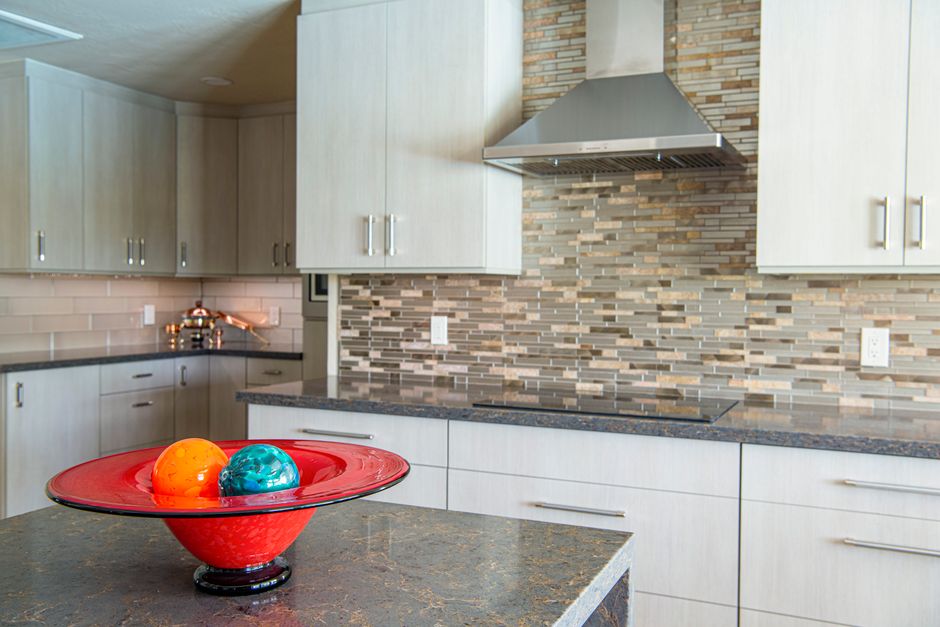
A slightly softened square edge, called an eased edge, is the safest countertop profile for an everyday kitchen. It chips far less than a knife-sharp square corner, wipes clean in a single pass, and looks right in both modern and traditional Birmingham homes. The other profiles each trade something away, and knowing what helps you pick the right one for each run of counter.
Why the Edge Decides More Than You Expect
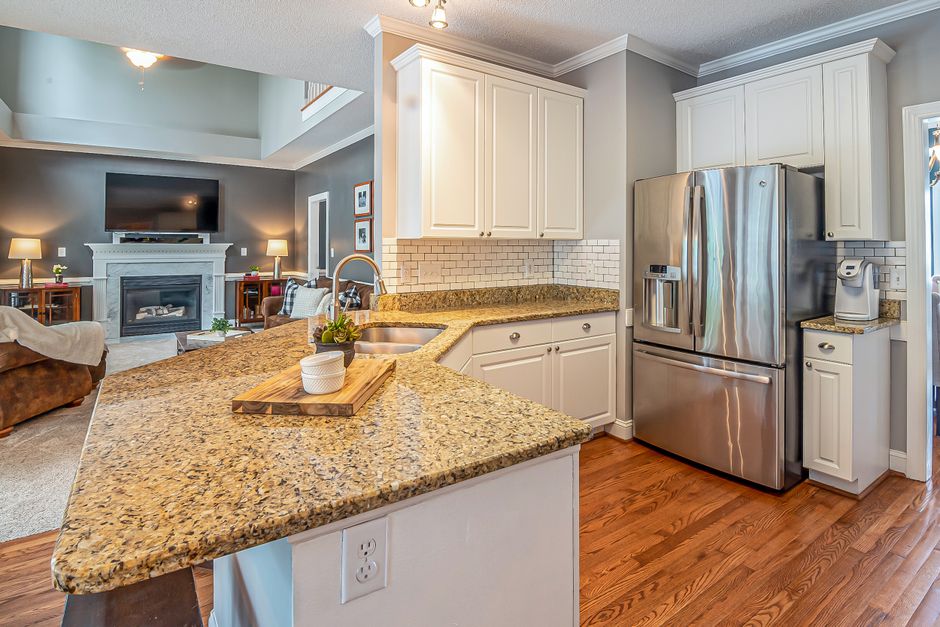
The flat top of a countertop gets most of the attention, but the edge takes most of the punishment. Cast iron pans swing into it, dish racks scrape along it, jars slip from your hand and land on it, and elbows and hips press against it all day. An edge that looks elegant in a showroom can become the part of the kitchen you worry about.
Three questions sort the options quickly: How likely is it to chip? How does it feel when you lean on it? How easily does it clean? Appearance matters too, but it is easier to get a good look after the first three are settled.
Eased Edge: The Everyday Default
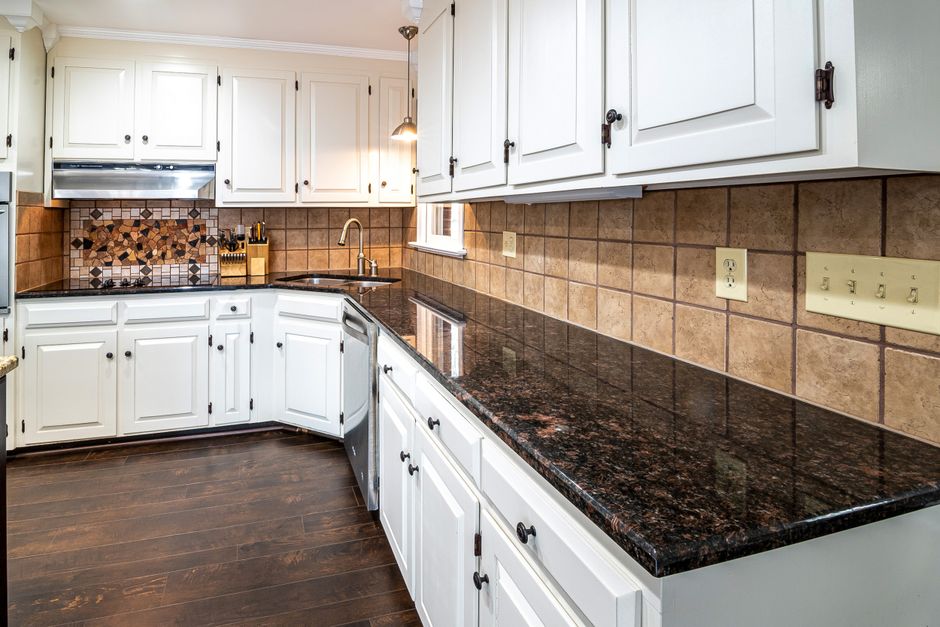
An eased edge is nearly square, with the sharp corner slightly softened. That small change removes the fragile point where chips begin. It cleans with a single wipe because there is no groove, and it reads as a clean, simple line.
If you are unsure, choose eased. It suits granite, quartzite, engineered stone, solid surface and most laminates and wood tops. It is also the easiest profile to repair. A fabricator can fill a small chip with color matched resin and polish it flush, and on a simple edge the repair is close to invisible.
Avoid the Dead Sharp Square
A crisp square corner on granite, quartzite or engineered stone chips easily. If you love the square look, ask for a small radius or arris on both the top and bottom corners. It still reads as square from across the room, but it is far tougher.
Bevel: A Practical Middle Ground
A bevel is a flat angled cut along the top corner. It moves the vulnerable point away from where pots usually strike, and it cleans easily because the surface is smooth and open.
Keep it modest. A large bevel creates a wide flat facet that catches light, and a chip on that facet shows more. On dark polished stone the bevel line stands out strongly. On light stone it stays subtle.
Half Bullnose: Comfort for Leaning and Seating
A half bullnose is rounded on top and flat underneath. It is gentle on forearms and hips, and it resists chipping well, which is why it suits a kitchen island where people lean, sit and pass by with grocery bags.
The tradeoff is that spills travel over a rounded edge more readily than over a square one. Wipe drips before they reach the cabinet doors and the floor. Rounded does not mean chip-proof, though. A hard enough hit can still damage it.
Full Bullnose: Tough but Drippy
A full bullnose is rounded top and bottom. It has a soft, traditional look and holds up well, but liquid can wrap around the curve and run along the underside onto cabinet face frames. Grime collects there where you cannot see it.
If you choose it, run a damp cloth under the front edge now and then. That one habit keeps the underside from turning into a surprise during a deep clean.
Ogee: Beautiful, but Needs More Care
An ogee has an S curve with a groove and a thin lower lip. It looks formal, but crumbs and kitchen grease settle in the groove, and the thin lip is the part most likely to chip. Detailed curves are also much harder to restore than simple edges once they are damaged.
Ogee works best on a low traffic perimeter you rarely bump into, not on a busy island. The same caution applies to dupont, cove and any other profile that leaves a narrow lip. The more material behind the edge, the tougher it is.
Match the Profile to the Material
The material changes which edges make sense.
- Granite: Natural fissures can flake along a detailed edge, so simpler profiles tend to age better.
- Engineered stone: Brands such as Cambria chip cleanly, but it can still chip at the edge, and a repair is often visible on solid colors.
- Solid surface: Corian and Avonite can be routed into nearly any shape, and chips and scratches can usually be sanded out.
- Laminate: Post-formed laminate has a rolled front with no seam on top. A square or self-edge laminate shows a dark line where the edge strip meets the top. If that line bothers you, choose post-formed or an applied wood or solid surface edge.
- Butcher block: Sharp wood edges splinter and dent, so a small roundover or eased edge lasts longer. Birmingham's long humid summers make wood swell and shrink, so oil the edges and end grain regularly and seal the underside near the dishwasher and sink.
Place Tougher Edges Where the Abuse Happens
You do not have to use one profile everywhere in thinking, even if the finished look is consistent. The edge in front of the sink takes the most abuse from pots, faucets and elbows. If you want a decorative profile elsewhere, consider whether that run needs a tougher shape. For undermount sinks, the cutout edge is usually eased or slightly rounded.
Corners Chip First
A sharp 90 degree outside corner on stone chips first and hurts most when bumped. On islands and peninsulas, especially in walkways, ask for a clipped or radiused corner.
Kids and Aging in Place
Half bullnose, full bullnose or a generous eased edge with radiused corners reduces bruises for toddlers and older adults. If a Kitchen island sits in the main traffic path, soft corners are worth more than any decorative detail.
Thick-Looking Edges Are Built Up
A chunky look on a thinner slab is often made by laminating or mitering a strip under the front edge. That is a styling choice, not extra strength, so do not treat a thicker look as a sturdier top. Check that the seam is tight, color matched and straight. A mitered edge hides the seam better than a laminated one, especially on veined stone.
Birmingham Homes and Level Lines
An edge is a long horizontal line, so any dip shows. Many older homes in neighborhoods such as Forest Park, Crestwood and Southside have floors that settled over decades. Before the top goes on, make sure the installer shims each Kitchen cabinet level. A beautiful profile on a wavy run looks worse than a plain one on a straight run.
See a Real Sample First
Ask for an edge sample in your actual slab. Detailed profiles disappear on busy granite and stand out on solid or lightly veined material. Dark polished stone shows bevels and curves strongly, while light stone shows them subtly. A small sample in your own kitchen light settles debates that photos cannot.
Dust and Where Edges Are Cut
Shaping engineered stone and many natural stones releases crystalline silica dust, made of silicon dioxide, which can cause silicosis. Profiling belongs in the fabrication shop, done wet with dust controls, not dry cut in your kitchen. If any on-site cutting is needed, ask how dust will be controlled.
Check the Edge After Installation
Run your hand along the entire length. The profile should feel uniform, with no wavy spots, chatter marks or dull patches, and the polish should match the top. Where two pieces meet at a seam, the profile should line up with no step. Raise problems before the installers leave.
Care That Keeps Edges Looking Right
- Clean gently: Use mild soap and a soft cloth. Abrasive pads dull the polish over time, and dull spots show most on rounded profiles that catch light.
- Seal natural stone edges: The edges and underside lip absorb oil and water like the surface does. Honed and flamed edges are more porous than polished ones, so include them every time you reseal. Sealing resists stains, not impacts, so it will not prevent a chip.
- Save chip fragments: If a piece breaks off, keep it. A fabricator can often bond and polish it back in place.
You Cannot Easily Change It Later
An edge can only be reshaped by grinding material away. An ogee or bullnose can sometimes be cut back to an eased edge, but nothing can be added back. Treat the decision as permanent. For most busy kitchens, an eased edge with softened corners is the choice you are least likely to regret, with half bullnose a strong second wherever people lean and sit.