Why Countertops Crack or Separate in Older Homes
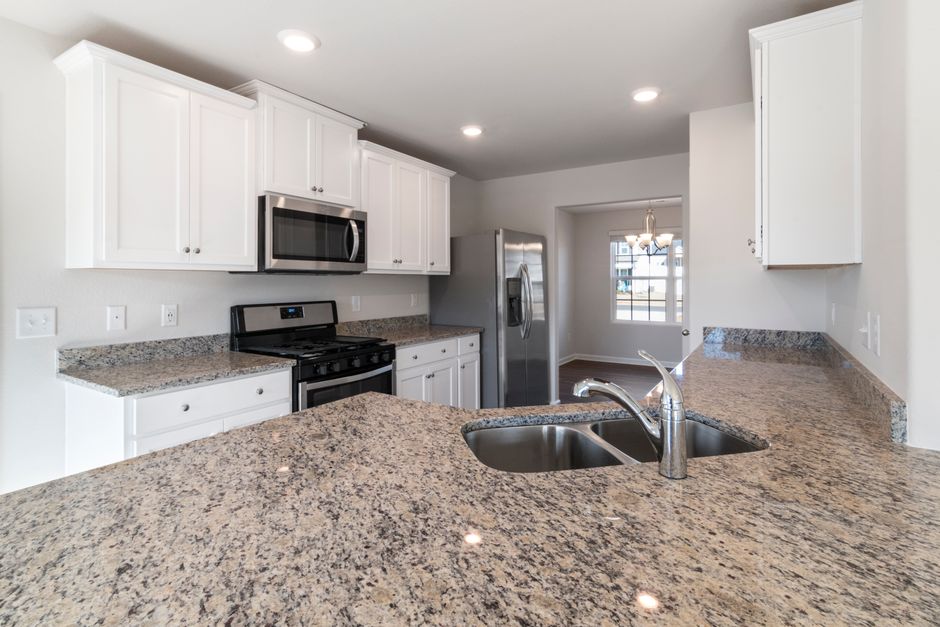
A sharp tick from the kitchen on a cold morning, followed by a line you can catch a fingernail on, is how most cracked countertops get noticed, and the cases logged through countertops birmingham fraiche yogurt for Birmingham, AL mostly trace back to support and not to the stone itself.
Uneven support is the usual cause
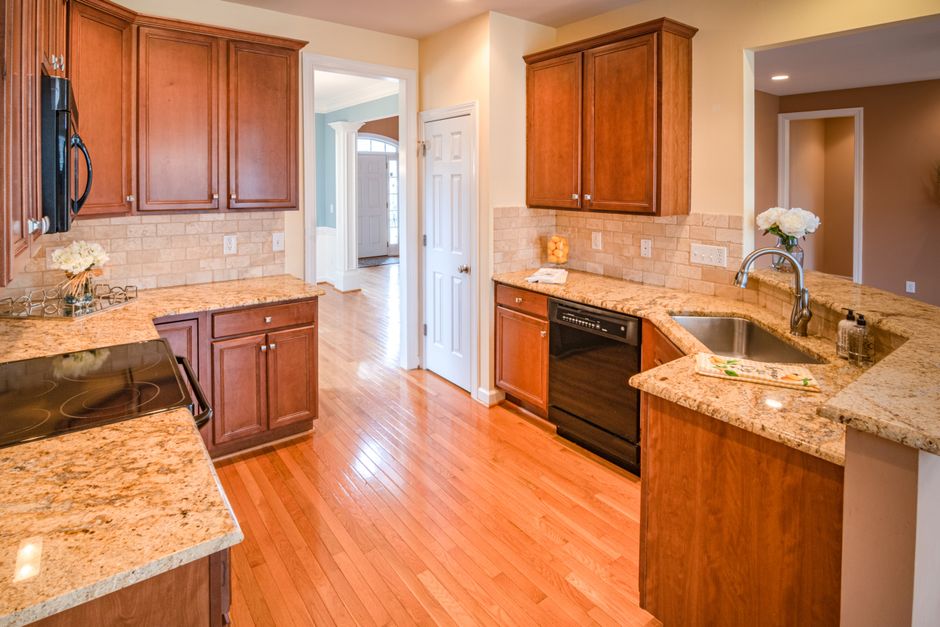
Stone is strong in compression but weaker in bending. A slab resting on a few high points acts like a beam with a load in the wrong place, and it will eventually fail at its thinnest spot. Granite, quartz, quartzite and marble all behave this way, and thickness only delays the problem. A cracked top is nearly always a support story first and a material story second.
Old floors, out of level cabinets
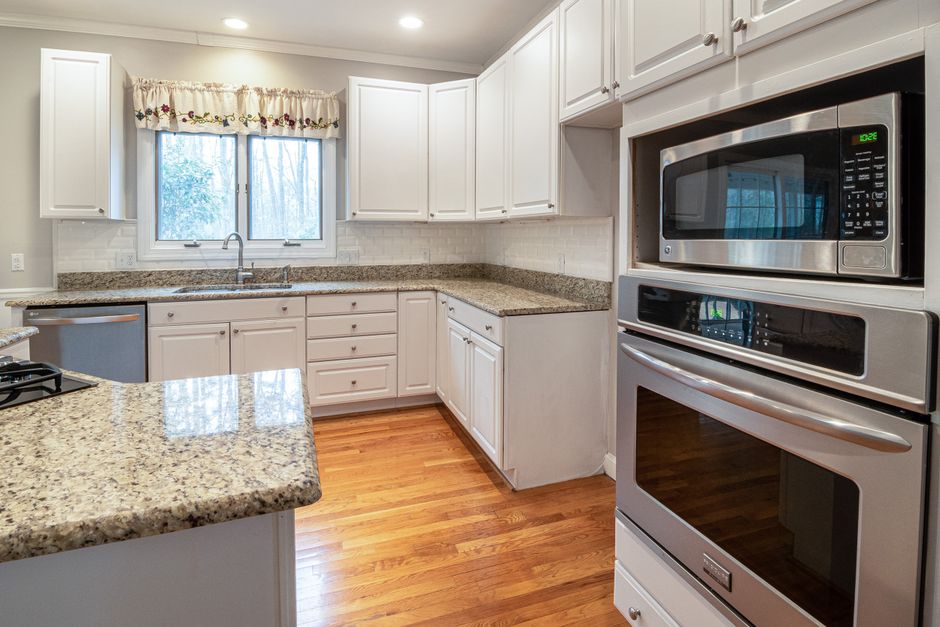
Floors in older Birmingham homes may have settled over time, which can leave a run of cabinets out of level. Shimming is not optional on those boxes. Installers shim the cabinets or the stone so the top bears evenly across the frame instead of landing on a few high points. A level laid across the cabinet tops before templating tells you how much correction the run needs. Skipping that check is how a good slab ends up with a hollow underneath it.
Cutouts are where slabs break
Narrow sections of stone around sink and cooktop cutouts are common crack locations. A strip of two or three inches beside a drop-in cooktop carries very little. Rounded inside corners help, since a square corner concentrates stress. Seam placement matters here too. A seam should land over solid cabinet structure and away from the thin points at a sink, not through them where the slab is already weakest.
Seams that open and overhangs that sag
Seams can open if the cabinets beneath them shift or are not fastened securely. Screw adjacent boxes together through the face frames before the stone goes on. An overhang beyond what the material can carry needs brackets or corbels. A bar-height overhang on a thin slab, with people leaning on it, is the classic failure. A remnant used for an island extension has the same limit as a full slab, and a waterfall edge adds weight to a side panel that needs its own support.
Fissure or crack
Not every line is damage. Hairline fissures in natural stone are often natural features, common in marble and some granite. A true crack usually runs through the slab and can be felt when a fingernail crosses it. Check both faces and the underside if reachable, and check whether the line stops at an edge profile or continues around it. Plenty of marks that look alarming turn out to be mineral veining, while a crack that starts at a cutout corner deserves a closer look at the support below it.